Addition to 10 — Exercises and Games for Preschoolers
Simple, effective addition-to-10 exercises for children aged 4-6. Games with blocks, fingers and everyday objects.
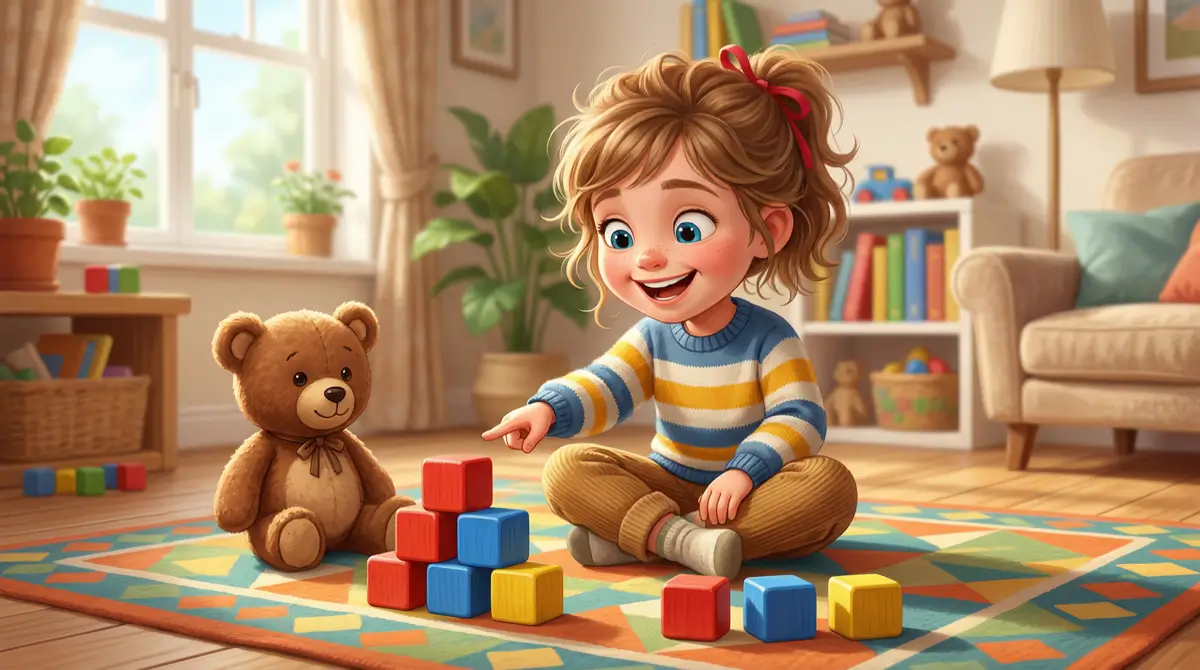
Addition to 10 is the first and most important step in learning math. If your child masters it solidly, everything that follows — addition to 20, to 100, subtraction — will be easier. Here are exercises that truly work.
Before You Begin — What Should Your Child Already Know?
Before addition to 10, your child should comfortably count to 10 (forward and backward), understand that a number represents quantity (not just a word), and be able to respond to "give me 4 blocks" — connecting number to concrete objects.
If these skills aren't yet solid — start there. Counting objects at home, on walks, at the store. This is the foundation without which addition doesn't make sense.
Exercise 1: Two Piles of Blocks
The simplest and most effective exercise. You need: 10 blocks (or buttons, coins, candy).
Place 3 blocks on the left and 2 on the right. Ask your child: "Count how many are on the left. Now the right. Now count ALL of them together." The child moves blocks one by one and counts. That's addition — physical, tangible, understandable.
Gradually change the numbers: 4+1, 2+3, 5+2, 1+6. Always within the range to 10. Don't rush to harder combinations.
Exercise 2: Adding on Fingers
Show your child 4 fingers on the left hand and 3 on the right. "How many fingers do you see altogether?" The child counts all fingers — 7. Simple, always available, and kids love it.
Advanced version: "Show me 3 + 5 on your fingers." The child must decide how many fingers to show on each hand.
Counting on fingers is a natural and healthy developmental stage — don't forbid it.
Exercise 3: Dice
Two dice are the best task generator for addition up to 12. You roll, the child adds the dots. Whoever calls out the answer first wins a point.
You can limit the range: cover sides 5 and 6 on both dice with tape — then the result never exceeds 8. Perfect for starting out.
Exercise 4: "How Many Together?" on Walks
Every walk offers plenty of opportunities. "2 pigeons on the roof and 3 on the sidewalk — how many altogether?" "1 lady on the bench, 2 gentlemen arrive — how many people on the bench?" The child learns that math is everywhere, not just in workbooks.
Exercise 5: Drawing Sums
Give your child paper and crayons. "Draw 3 suns and 4 clouds. How many did you draw?" Combines creativity with math. Works especially well with children who love drawing.
Exercise 6: Dominos
Classic dominos are pure addition. Each tile has two sides with dots. "How many dots are on this tile altogether?" It's addition practice up to 12, in game form, with zero effort.
When to Move to Addition to 20?
Your child is ready for addition to 20 when they answer questions like 6+3, 4+5, 7+2 without hesitation. They don't need to count on fingers — they just "know" the answer. That's the sign that addition to 10 has been internalized.
Don't rush. Better to spend 3 weeks on solid addition to 10 than to skip ahead to 20 after 3 days.
Addition to 10 in EduBert
In EduBert — The Park Adventure, Scene 1 (Park Gate) is all about addition to 10. Your child meets Mr. Gardener Henry and together they solve 10 tasks: counting flowers, seeds, birds on the gate. All in a story context, with immediate feedback. First level free.
Read also: Complete Guide to Teaching Addition · Addition to 20 — When to Move On? · 5 Addition Games for Home

Written by the EduBert team
We create educational games that combine play with learning math.
Read also
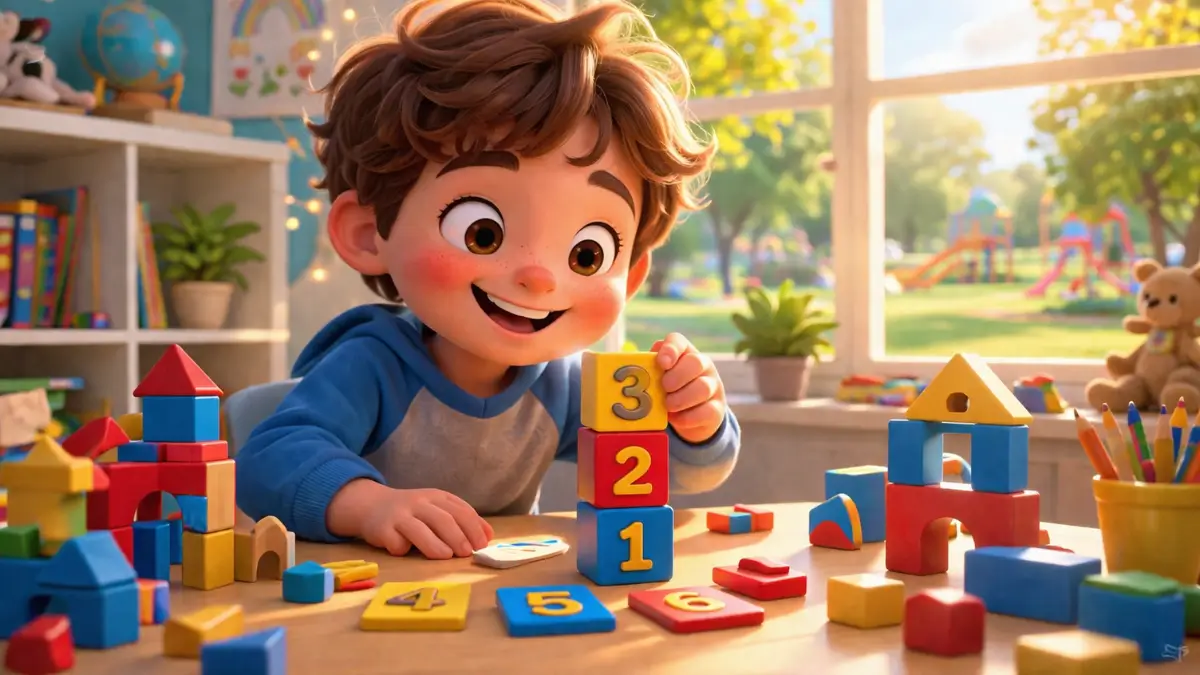
How to Teach Your Child Addition — A Complete Guide for Parents
A practical guide for parents: how to teach your child addition step by step. Proven methods, exercises and math games for children aged 5-8.
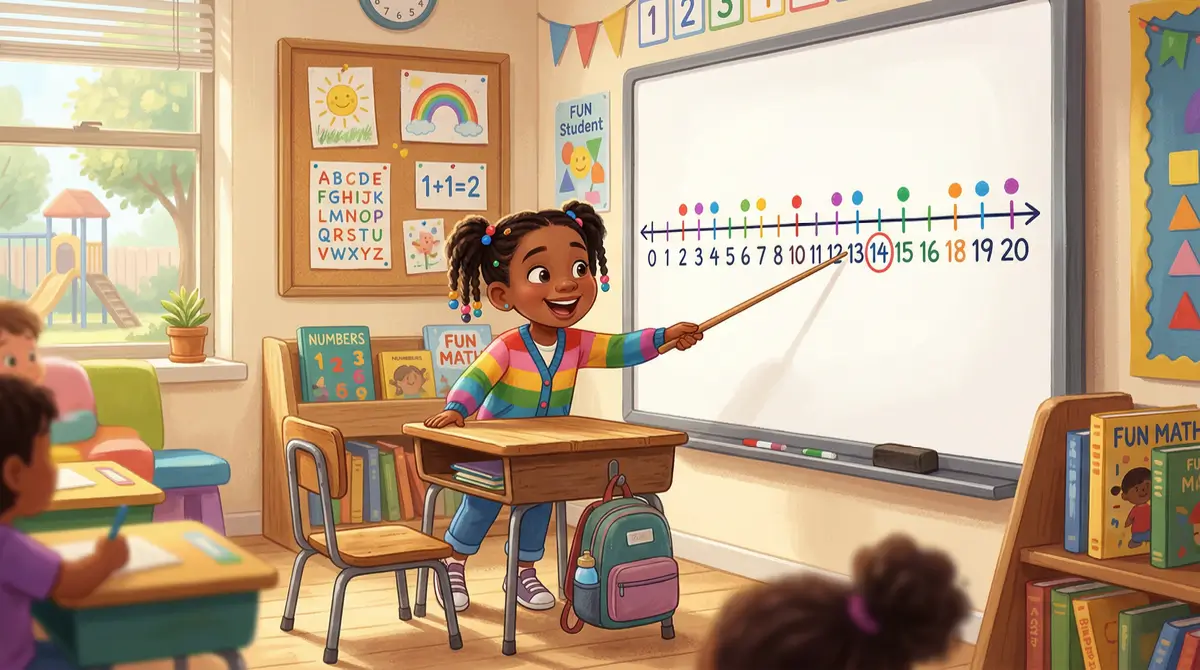
Addition to 20 — When Is Your Child Ready?
Addition to 20 with crossing the tens threshold. How to recognize your child's readiness and which methods help.
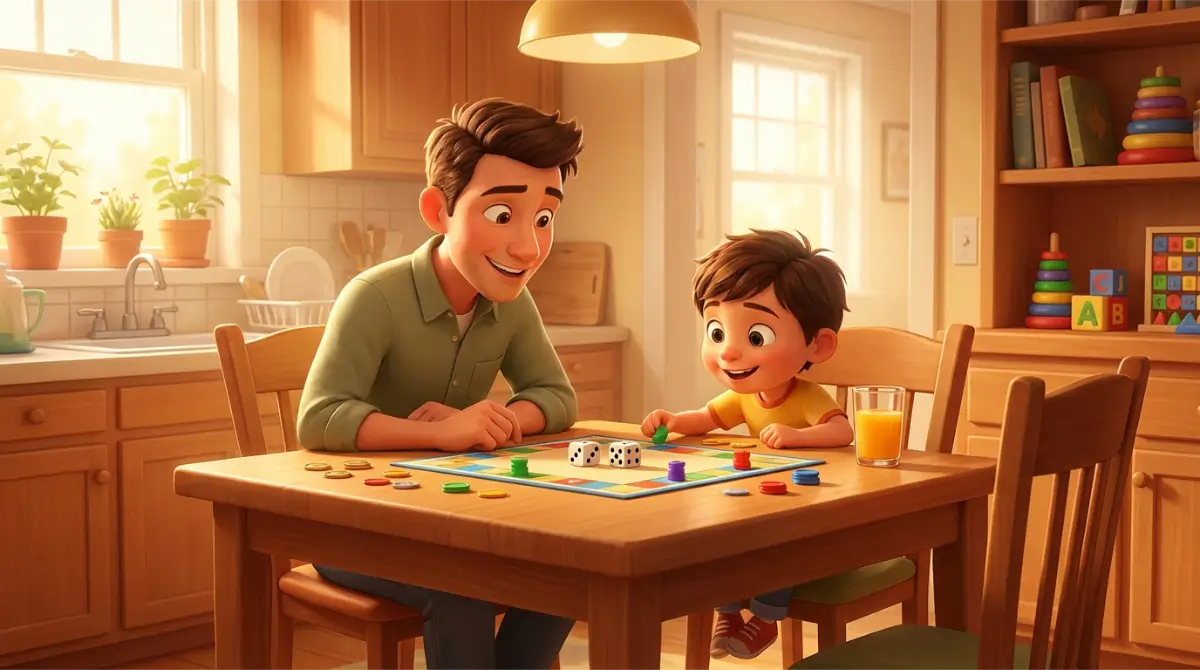
5 Addition Games You Can Make at Home
Simple, proven addition games you can make at home. Zero prep, maximum fun and learning.